 English
 French

You have no items in your shopping cart.

Maintaining an industrial dust collector is not merely a matter of operational convenience; it is a critical requirement for regulatory compliance and workplace safety. In many manufacturing environments, process air contains particulate matter that can be irritating, hazardous, or combustible. When maintenance protocols lapse, facilities face increased risks of OSHA citations, NFPA violations, and catastrophic equipment failure.
Effective air pollution control requires a shift from reactive repairs to a structured preventative maintenance (PM) program. Below are the most significant maintenance pitfalls observed in industrial shops and the technical steps required to avoid them.
1. Misinterpreting Differential Pressure Readings
The differential pressure (DP) gauge: often a Magnehelic or digital sensor: is the most vital diagnostic tool on a dust collector. It measures the pressure drop across the dust collector filters. A common pitfall is ignoring these readings until the system triggers a high-pressure alarm.
Standard operating procedures should dictate that DP readings are logged daily. A sudden drop in pressure often indicates a leak or a "blown" filter, while a steady, high-pressure reading suggests "filter blinding": a condition where particulate is permanently embedded in the filter media, rendering the pulse-cleaning system ineffective.
Technical Solution: Establish a baseline DP for new filters. Once the pressure reaches the manufacturer’s recommended limit (typically 5–6 inches of water column for many cartridge systems), filters must be replaced. Running a system at high DP increases the load on the fan motor, significantly raising energy costs and reducing capture velocity at the source hoods.
2. Using Hoppers for Long-Term Dust Storage
Industrial dust collectors are designed to separate dust from the air stream and drop it into a hopper. A frequent mistake is treating this hopper as a storage container. When dust is allowed to accumulate and back up into the collector housing, several failures occur:
- Re-entrainment: High-velocity air picks up the accumulated dust, slamming it back into the filters and causing premature wear.
- Bridging: Fine or moist dust can "bridge" across the discharge opening, creating a blockage that is difficult to clear.
- Combustion Risk: Large volumes of concentrated dust in the hopper increase the fuel load in the event of a spark, potentially bypassing explosion suppression systems.
Technical Solution: Empty hoppers daily or install rotary valves and level sensors to automate the discharge process. Ensure that the after-market replacement parts, such as drum covers and seals, are airtight to maintain the pressure differential.

3. Neglecting Pulse-Jet Cleaning System Integrity
The pulse-jet cleaning system uses short bursts of compressed air to "knock" the dust cake off the filters. If this system fails, the filters will blind rapidly. Common pitfalls include:
- Poor Air Quality: Compressed air that contains moisture or oil will contaminate the filter media. Wet dust creates a "mud" that cannot be pulsed off.
- Incorrect Pulse Timing: Setting the pulse frequency too high wastes compressed air and can damage the filter media. Setting it too low allows the dust cake to become too thick.
- Mechanical Failure: Solenoid valves and diaphragm valves are wear items. If a valve sticks open, it drains the compressed air header; if it fails to open, the corresponding filters will not be cleaned.
Technical Solution: Integrate air compressors and dryers into your dust collector maintenance routine. Ensure the compressed air is dry and oil-free. Regularly inspect pulse valves for audible leaks and verify that the timer board is functioning according to the collector’s design specifications.
4. Failure to Maintain Explosion Protection Devices
For facilities handling combustible dust (such as wood, flour, or certain metals), NFPA 68 and 654 standards require explosion protection. A major maintenance pitfall is neglecting the hardware designed to mitigate an explosion, such as explosion vents and isolation valves.
Explosion vents must be kept clear of obstructions and inspected for corrosion or mechanical damage. If an isolation valve (which prevents a flame front from traveling back through the ducting into the facility) is not regularly tested, it may fail to close during a deflagration.
Technical Solution: Conduct annual inspections of all safety-critical components. Ensure that explosion vent discharge areas are clearly marked and never blocked by parked vehicles or equipment. If your facility has undergone design changes, consult with customized design services to ensure your explosion protection is still correctly sized for the current dust load and duct volume.
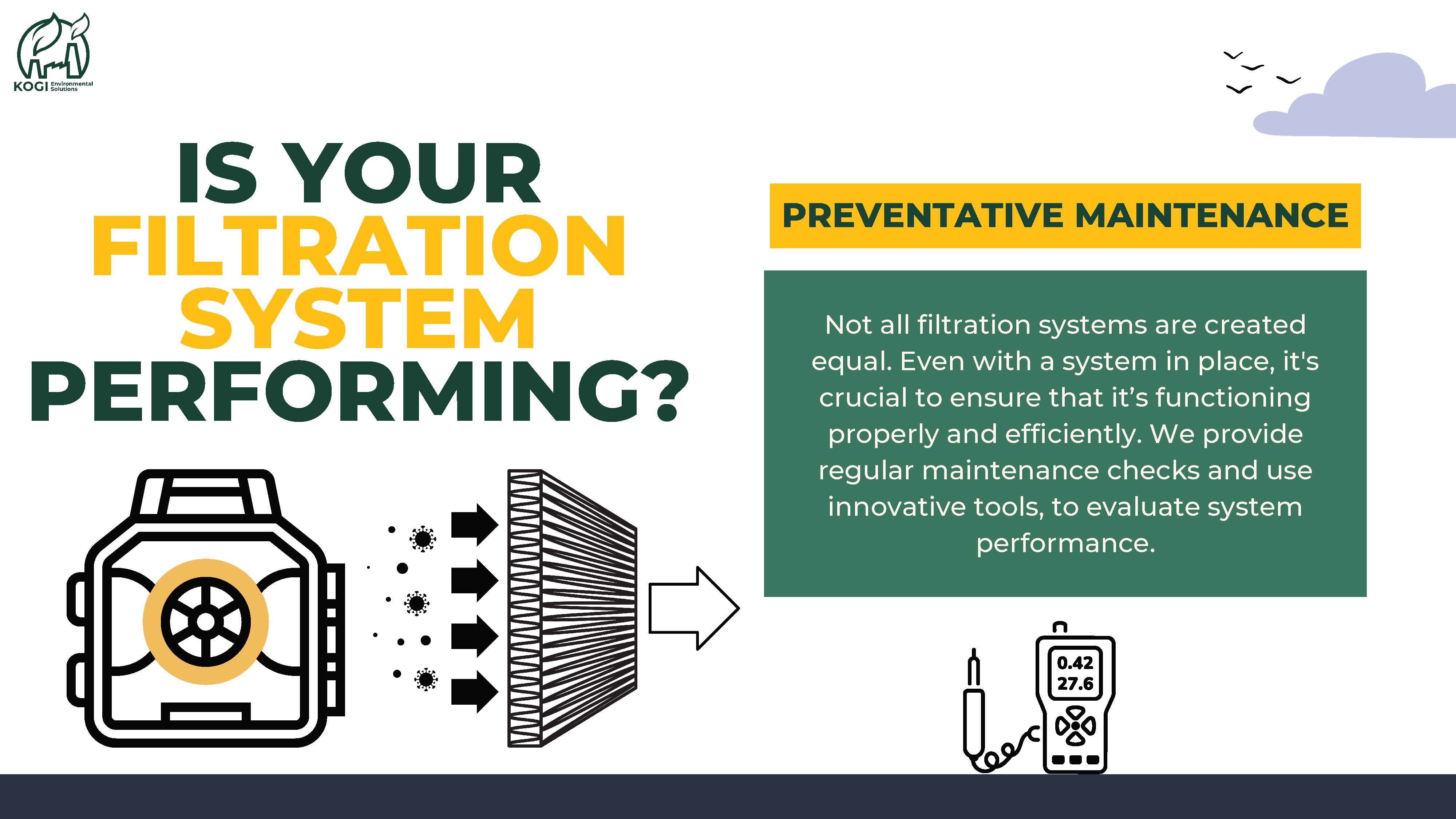
5. Ignoring Leaks in Ductwork and Seals
The effectiveness of a dust collector is dependent on the integrity of the vacuum it creates. Leaks in the ducting or around the collector’s access doors lead to a loss of "conveying velocity." When air speed drops inside the ductwork, dust begins to settle, creating a significant fire hazard and eventually plugging the pipes.
Technical Solution: Use industrial ducting that features modular, clamped designs (like Nordfab) for easier inspection. Regularly check gaskets and seals on access doors and discharge points. If you notice dust accumulating on top of the collector or on nearby rafters, it is a sign of a fugitive emission leak that must be addressed to remain within OSHA permissible exposure levels (PELs).
6. Improper Filter Selection
Not all filters are created equal. Using a standard polyester filter for a process that generates oily mist or fine fuming (like welding) will lead to immediate failure. A common pitfall is purchasing the cheapest available replacement filters without verifying the MERV rating or media type.
Technical Solution: Specify BHA filters or high-efficiency cartridge filters that are engineered for your specific dust type. For example, welding fume capture systems often require flame-retardant media, while moisture-laden processes may require oleophobic coatings.

7. Lack of Documented Maintenance and Training
OSHA and NFPA standards emphasize the importance of documentation. If maintenance is performed ad-hoc without records, it is difficult to prove compliance during an inspection. Furthermore, if the personnel servicing the equipment are not OEM certified technicians, they may inadvertently bypass safety sensors or install parts incorrectly.
Technical Solution: Develop a written PM checklist that includes:
- Daily: Check differential pressure and empty hoppers.
- Weekly: Inspect pulse-jet valves and compressed air moisture traps.
- Monthly: Inspect drive belts on the fan and check for ductwork vibrations.
- Quarterly: Inspect physical filter condition and door seals.
- Annually: Comprehensive system audit and air quality monitoring.
Conclusion
Industrial dust collector maintenance is a technical discipline that directly impacts a facility's bottom line and safety profile. By avoiding these common pitfalls: specifically regarding differential pressure monitoring, hopper management, and safety device integrity: shop managers can ensure their systems operate at peak efficiency.
At Kogi Environmental Solutions, our team of specialists provides everything from baghouse service to customized duct design. If you are unsure if your current system meets OSHA and EPA regulations, we recommend a professional air quality assessment to establish a compliance baseline.
Maintaining an industrial dust collector is not merely a matter of operational convenience; it is a critical requirement for regulatory compliance and workplace safety. In many manufacturing environments, process air contains particulate matter that can be irritating, hazardous, or combustible. When maintenance protocols lapse, facilities face increased risks of OSHA citations, NFPA violations, and catastrophic equipment failure.
Effective air pollution control requires a shift from reactive repairs to a structured preventative maintenance (PM) program. Below are the most significant maintenance pitfalls observed in industrial shops and the technical steps required to avoid them.
1. Misinterpreting Differential Pressure Readings
The differential pressure (DP) gauge: often a Magnehelic or digital sensor: is the most vital diagnostic tool on a dust collector. It measures the pressure drop across the dust collector filters. A common pitfall is ignoring these readings until the system triggers a high-pressure alarm.
Standard operating procedures should dictate that DP readings are logged daily. A sudden drop in pressure often indicates a leak or a "blown" filter, while a steady, high-pressure reading suggests "filter blinding": a condition where particulate is permanently embedded in the filter media, rendering the pulse-cleaning system ineffective.
Technical Solution: Establish a baseline DP for new filters. Once the pressure reaches the manufacturer’s recommended limit (typically 5–6 inches of water column for many cartridge systems), filters must be replaced. Running a system at high DP increases the load on the fan motor, significantly raising energy costs and reducing capture velocity at the source hoods.
2. Using Hoppers for Long-Term Dust Storage
Industrial dust collectors are designed to separate dust from the air stream and drop it into a hopper. A frequent mistake is treating this hopper as a storage container. When dust is allowed to accumulate and back up into the collector housing, several failures occur:
- Re-entrainment: High-velocity air picks up the accumulated dust, slamming it back into the filters and causing premature wear.
- Bridging: Fine or moist dust can "bridge" across the discharge opening, creating a blockage that is difficult to clear.
- Combustion Risk: Large volumes of concentrated dust in the hopper increase the fuel load in the event of a spark, potentially bypassing explosion suppression systems.
Technical Solution: Empty hoppers daily or install rotary valves and level sensors to automate the discharge process. Ensure that the after-market replacement parts, such as drum covers and seals, are airtight to maintain the pressure differential.
3. Neglecting Pulse-Jet Cleaning System Integrity
The pulse-jet cleaning system uses short bursts of compressed air to "knock" the dust cake off the filters. If this system fails, the filters will blind rapidly. Common pitfalls include:
- Poor Air Quality: Compressed air that contains moisture or oil will contaminate the filter media. Wet dust creates a "mud" that cannot be pulsed off.
- Incorrect Pulse Timing: Setting the pulse frequency too high wastes compressed air and can damage the filter media. Setting it too low allows the dust cake to become too thick.
- Mechanical Failure: Solenoid valves and diaphragm valves are wear items. If a valve sticks open, it drains the compressed air header; if it fails to open, the corresponding filters will not be cleaned.
Technical Solution: Integrate air compressors and dryers into your dust collector maintenance routine. Ensure the compressed air is dry and oil-free. Regularly inspect pulse valves for audible leaks and verify that the timer board is functioning according to the collector’s design specifications.
4. Failure to Maintain Explosion Protection Devices
For facilities handling combustible dust (such as wood, flour, or certain metals), NFPA 68 and 654 standards require explosion protection. A major maintenance pitfall is neglecting the hardware designed to mitigate an explosion, such as explosion vents and isolation valves.
Explosion vents must be kept clear of obstructions and inspected for corrosion or mechanical damage. If an isolation valve (which prevents a flame front from traveling back through the ducting into the facility) is not regularly tested, it may fail to close during a deflagration.
Technical Solution: Conduct annual inspections of all safety-critical components. Ensure that explosion vent discharge areas are clearly marked and never blocked by parked vehicles or equipment. If your facility has undergone design changes, consult with customized design services to ensure your explosion protection is still correctly sized for the current dust load and duct volume.
5. Ignoring Leaks in Ductwork and Seals
The effectiveness of a dust collector is dependent on the integrity of the vacuum it creates. Leaks in the ducting or around the collector’s access doors lead to a loss of "conveying velocity." When air speed drops inside the ductwork, dust begins to settle, creating a significant fire hazard and eventually plugging the pipes.
Technical Solution: Use industrial ducting that features modular, clamped designs (like Nordfab) for easier inspection. Regularly check gaskets and seals on access doors and discharge points. If you notice dust accumulating on top of the collector or on nearby rafters, it is a sign of a fugitive emission leak that must be addressed to remain within OSHA permissible exposure levels (PELs).
6. Improper Filter Selection
Not all filters are created equal. Using a standard polyester filter for a process that generates oily mist or fine fuming (like welding) will lead to immediate failure. A common pitfall is purchasing the cheapest available replacement filters without verifying the MERV rating or media type.
Technical Solution: Specify BHA filters or high-efficiency cartridge filters that are engineered for your specific dust type. For example, welding fume capture systems often require flame-retardant media, while moisture-laden processes may require oleophobic coatings.
7. Lack of Documented Maintenance and Training
OSHA and NFPA standards emphasize the importance of documentation. If maintenance is performed ad-hoc without records, it is difficult to prove compliance during an inspection. Furthermore, if the personnel servicing the equipment are not OEM certified technicians, they may inadvertently bypass safety sensors or install parts incorrectly.
Technical Solution: Develop a written PM checklist that includes:
- Daily: Check differential pressure and empty hoppers.
- Weekly: Inspect pulse-jet valves and compressed air moisture traps.
- Monthly: Inspect drive belts on the fan and check for ductwork vibrations.
- Quarterly: Inspect physical filter condition and door seals.
- Annually: Comprehensive system audit and air quality monitoring.
Conclusion
Industrial dust collector maintenance is a technical discipline that directly impacts a facility's bottom line and safety profile. By avoiding these common pitfalls: specifically regarding differential pressure monitoring, hopper management, and safety device integrity: shop managers can ensure their systems operate at peak efficiency.
At Kogi Environmental Solutions, our team of specialists provides everything from baghouse service to customized duct design. If you are unsure if your current system meets OSHA and EPA regulations, we recommend a professional air quality assessment to establish a compliance baseline.
Artículos recientes


← Publicación más antigua Publicación más reciente →