 English
 French

You have no items in your shopping cart.

Dust collector filters are performance components, not consumables that should be changed on an arbitrary schedule. Their service life and operating condition depend on differential pressure, dust characteristics, pulse-jet cleaning, compressed air quality, sealing integrity, hopper operation, and system loading.
A filter change that solves the immediate problem but ignores the cause can result in higher fan energy, repeated shutdowns, poor source capture, and avoidable compliance risk. The following seven mistakes are common in cartridge dust collectors, industrial dust collectors, and baghouse systems.
1. Replacing Dust Collector Filters on a Calendar
A fixed replacement interval is easy to administer but technically incomplete. Two collectors operating for the same number of months may have very different filter conditions because of differences in dust loading, production hours, air volume, humidity, and cleaning performance.
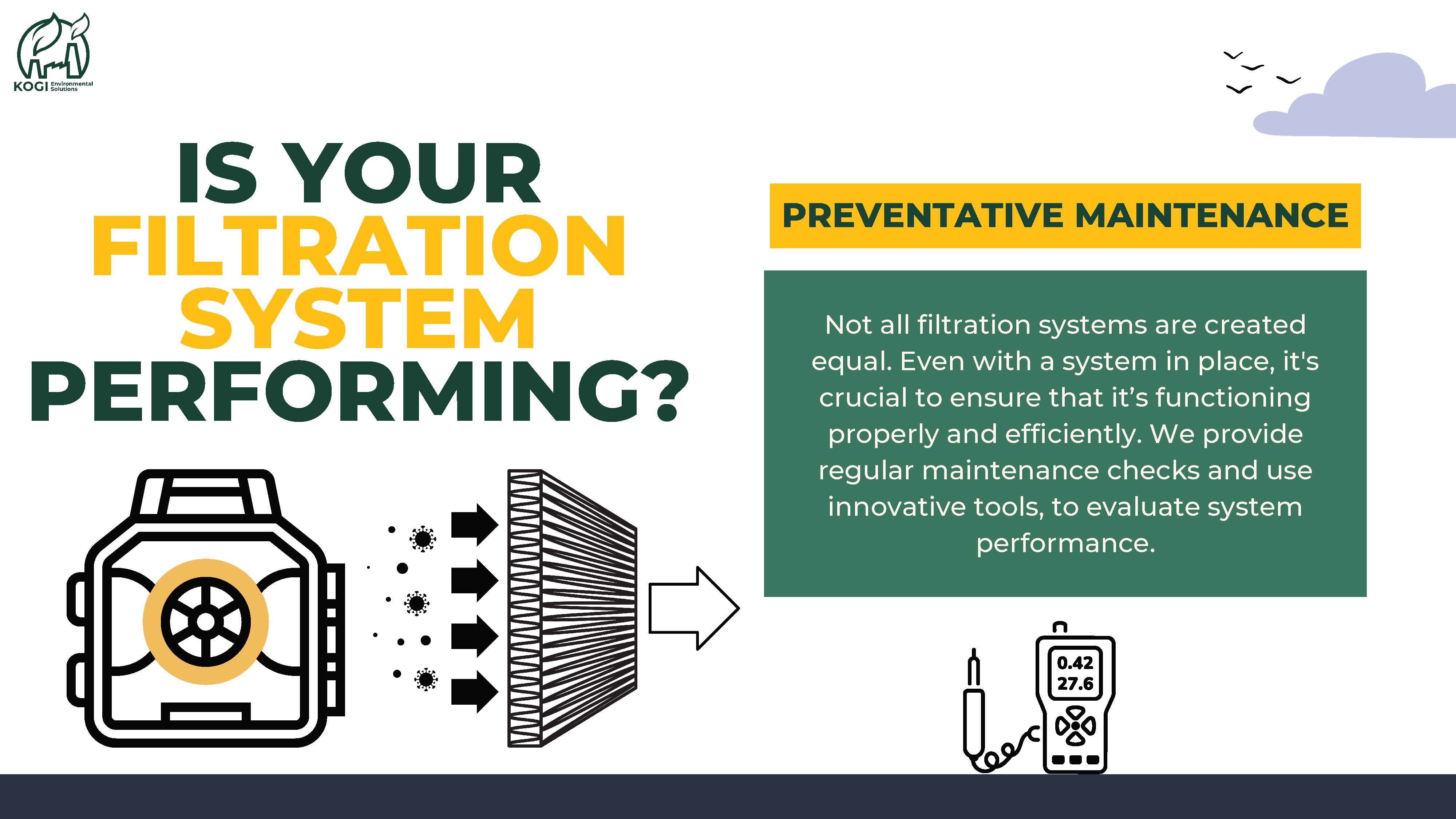
The more reliable indicator is differential pressure, or ΔP. This is the difference in static pressure between the dirty side and clean side of the filters. It reflects resistance through the filter media, dust cake, tubesheet openings, and other airflow restrictions.
A gradual increase in ΔP generally indicates dust accumulation or filter loading. A sudden increase can indicate a failed pulse-cleaning system, blocked discharge equipment, or a process change that has increased the dust load. A sudden drop may indicate a torn filter or bypass leak.
The fix
Record and trend ΔP under comparable operating conditions. Use the collector manufacturer’s operating range and fan design data to establish action limits. Many systems operate within a normal range of approximately 3–6 inches water gauge, but the correct setpoints depend on the collector, filter media, airflow, and dust.
Replace filters when they can no longer be cleaned back into the specified operating range, not simply because a date has arrived.
For additional technical background, see this differential pressure guide from Donaldson.
2. Continuing to Operate Past the Pressure-Drop Limit
A high pressure drop does more than increase energy use. It reduces the available airflow through the collector and can reduce capture velocity at the hood or pickup point.
When fan capacity is fixed, a blinded filter bank can leave insufficient static pressure for the ductwork and source-capture hoods. The result may be visible dust at machining, grinding, woodworking, welding, or material-transfer points, even though the fan is still running.
High ΔP can also increase fan motor load and compressed air consumption. If filters are pulsed more frequently but the pressure does not recover, the system may be operating beyond the filters’ cleanable condition.
The fix
Identify three values for the system:
- Normal operating ΔP
- High pulse-cleaning setpoint
- Maximum allowable ΔP before inspection or replacement
The high and low pulse-cleaning setpoints should be established from the collector manufacturer’s recommendations and actual process conditions. A common control strategy starts cleaning at a high setpoint and stops when ΔP falls to a lower setpoint, often separated by approximately 0.5–1.0 inches water gauge.
Do not increase the setpoint indefinitely to postpone filter replacement. Confirm fan performance, duct static pressure, airflow, and hood capture before changing controls.
3. Selecting Filter Media or Pleat Geometry Without Reviewing the Dust
A cartridge dust collector is not automatically suitable for every dust stream. Filter media and pleat design must match the physical and chemical properties of the material being captured.
Important selection factors include:
- Particle size distribution
- Dust loading and bulk density
- Abrasiveness
- Stickiness or oil content
- Moisture and humidity
- Operating temperature
- Gas chemistry
- Required outlet emission level
- Combustibility and static-control requirements
A fine, dry powder may require a different surface treatment from an abrasive metal dust. A sticky or hygroscopic material may blind standard media rapidly. High-temperature or chemically aggressive applications may require specialized fibers or finishes.
BHA cartridge and baghouse filters are available in multiple configurations, including pleated elements and membrane-treated media. Pleated designs can provide substantially more filtration area in the same housing, but additional area does not correct an incompatible media selection or excessive dust loading.
MERV 11 filters should also be placed in the correct context. MERV 11 is an HVAC filtration classification for general air-handling applications. It is not a substitute for properly selected industrial dust collector filters at the source. Industrial collectors should be evaluated using application-specific data such as airflow, air-to-cloth ratio, fractional efficiency, outlet loading, and pressure drop.
The fix
Before ordering replacement dust collector filters, document the process and dust stream. Review the collector model, filter dimensions, media construction, temperature, moisture, and current ΔP history. When the application has changed, reassess the filter specification instead of ordering the previous part number automatically.
Kogi Environmental Solutions supports A.C.T. cartridge and baghouse dust collectors and aftermarket filter sourcing for multiple OEM systems.

4. Ignoring the Pulse-Jet Cleaning System and Compressed Air Quality
Pulse-jet cleaning is part of the filter system. A new filter will not perform correctly if the cleaning cycle is ineffective.
Common causes of poor cleaning include:
- Insufficient pulse pressure or volume
- Failed solenoid or diaphragm valves
- Blocked blowpipes or venturis
- Incorrect pulse duration
- Timer or controller faults
- Leaking pilot tubing
- Inadequate header-tank recovery time
- Wet or oil-contaminated compressed air
Moisture can cause dust to cake on the media. Oil can reduce permeability and create permanent blinding. Both conditions can increase ΔP and shorten filter life.
The compressed air supply should be checked at the collector while the pulse system is operating, not only at the compressor outlet. A pressure reading at the compressor may not represent the pressure available at the pulse valves.
The fix
Inspect the pulse sequence, valve operation, manifold pressure, pulse duration, and recovery time. Check the compressed air filtration and drying system. Finite compressed air filters can remove particulate and oil aerosols before they reach the pulse valves, while compressed air dryers help limit moisture-related caking and corrosion.
The compressed air system should be maintained as part of [dust collector maintenance], not treated as a separate utility issue. Parker Hannifin’s BHA troubleshooting guide provides additional reference information on pulse-jet operation, baghouse inspection, and filter evaluation.
5. Installing Filters with Damaged or Improperly Seated Seals
A filter can be undamaged and correctly specified but still fail to perform if the gasket, snapband, flange, or tubesheet seal is compromised.
Bypass paths allow contaminated air to move around the filter media. This can produce elevated downstream emissions while the ΔP reading appears unusually low. Common causes include:
- Flattened, cut, or hardened gaskets
- Dirt on the tubesheet seating surface
- Incorrect filter dimensions
- Bent retainers or cages
- Uneven compression
- Filter elements not fully seated
- Damaged access-door gaskets
- Warped tubesheets
A sudden drop in ΔP combined with dust on the clean-air side is a strong reason to investigate filter integrity and sealing.
The fix
Inspect the tubesheet and seating surfaces during every filter change. Replace damaged gaskets rather than reusing them. Confirm that the replacement filter matches the original dimensions, connection style, and compression requirements.
After installation, inspect the clean-air plenum and downstream ductwork for dust accumulation. Where appropriate, use a leak-detection method such as BHA Visolite to identify holes, weak seals, and structural leakage points.
6. Allowing Dust to Remain in the Hopper
The hopper is a transfer point, not a storage bin. Pulse cleaning removes dust from the filter surface, but the dust must then leave the collector through the rotary airlock, screw conveyor, drum, or other discharge device.
When dust remains in the hopper, it can:
- Restrict airflow
- Increase filter loading
- Re-entrain into the dirty-air stream
- Abrade filter elements
- Overload the collector structure
- Create stagnant combustible-dust accumulations
A plugged rotary valve or stopped screw conveyor can cause ΔP to rise even when the filters and pulse valves are functioning correctly.
For combustible dust applications, accumulation control is especially important. OSHA’s combustible-dust resources and applicable NFPA requirements should be considered when evaluating collector design, explosion protection, grounding, isolation, housekeeping, and material discharge.
The fix
Verify that dust is being removed continuously during operation. Inspect airlocks, screws, level indicators, discharge chutes, and collection drums. Check for bridging, moisture-related buildup, and re-entrainment caused by poor hopper airflow.
Do not enter a hopper or collector without following site-specific lockout/tagout, confined-space, respiratory-protection, and combustible-dust procedures.
7. Measuring Filter Replacement Cost Instead of Total Cost of Ownership
The lowest filter purchase price is not necessarily the lowest operating cost. A filter that costs less per unit but produces higher ΔP, consumes more compressed air, requires frequent replacement, or increases downtime may have a higher total cost of ownership.
A useful evaluation should include:
- Filter purchase price
- Expected service life
- Fan energy at operating ΔP
- Compressed air consumption
- Maintenance labor
- Disposal cost
- Production downtime
- Replacement frequency
- Emission and compliance risk
- Effect on hood capture and process performance
The EPA’s particulate matter guidance explains why airborne particles can create health and environmental concerns. OSHA requirements and local air-permit conditions may impose additional controls depending on the process, contaminant, and facility.
The fix
Compare replacement options using operating data rather than unit price alone. A higher-efficiency or pleated filter may reduce pressure drop, extend service life, and lower energy consumption. However, the filter must still be compatible with the dust, collector, cleaning system, and regulatory requirements.
Practical Dust Collector Filter Maintenance Checklist
Daily
- Record differential pressure and compare it with the normal operating range.
- Check for sudden increases or decreases in ΔP.
- Confirm that the pulse-jet controller is operating.
- Listen for abnormal valve, fan, or airlock noise.
- Check for visible emissions at the collector outlet.
- Confirm that dust is leaving the hopper.
Weekly
- Inspect compressed air pressure at the collector.
- Check finite compressed air filters for contamination or pressure loss.
- Verify compressed air dryer operation and drain function.
- Inspect pulse valves, solenoids, tubing, and manifolds.
- Check hopper discharge equipment and rotary airlocks.
- Inspect fan belts, bearings, vibration, and motor load.
Monthly or During Scheduled Shutdowns
- Inspect filter seals, access doors, and tubesheet surfaces.
- Check for dust on the clean-air side.
- Inspect cartridges, bags, cages, and retainers.
- Review filter loading and ΔP trends.
- Check ductwork for dust buildup, leaks, and abrasion.
- Confirm that process changes have not increased airflow or dust loading.
Before Ordering Replacement Filters
- Record collector manufacturer and model.
- Confirm filter dimensions and connection type.
- Identify current media, treatment, and pleat configuration.
- Document dust composition, temperature, moisture, and loading.
- Review operating ΔP and pulse-cleaning history.
- Evaluate total cost of ownership, not filter price alone.
Contact Kogi Environmental Solutions for a Filter Audit
Persistent high ΔP, short filter life, visible emissions, or repeated pulse-jet problems indicate that the system requires more than a routine replacement.
Kogi Environmental Solutions can review collector operation, filter specifications, compressed air quality, sealing, hopper discharge, and maintenance history. Contact the team for a dust collector filter audit or replacement quote based on the actual application and operating requirements.
Dust collector filters are performance components, not consumables that should be changed on an arbitrary schedule. Their service life and operating condition depend on differential pressure, dust characteristics, pulse-jet cleaning, compressed air quality, sealing integrity, hopper operation, and system loading.
A filter change that solves the immediate problem but ignores the cause can result in higher fan energy, repeated shutdowns, poor source capture, and avoidable compliance risk. The following seven mistakes are common in cartridge dust collectors, industrial dust collectors, and baghouse systems.
1. Replacing Dust Collector Filters on a Calendar
A fixed replacement interval is easy to administer but technically incomplete. Two collectors operating for the same number of months may have very different filter conditions because of differences in dust loading, production hours, air volume, humidity, and cleaning performance.
The more reliable indicator is differential pressure, or ΔP. This is the difference in static pressure between the dirty side and clean side of the filters. It reflects resistance through the filter media, dust cake, tubesheet openings, and other airflow restrictions.
A gradual increase in ΔP generally indicates dust accumulation or filter loading. A sudden increase can indicate a failed pulse-cleaning system, blocked discharge equipment, or a process change that has increased the dust load. A sudden drop may indicate a torn filter or bypass leak.
The fix
Record and trend ΔP under comparable operating conditions. Use the collector manufacturer’s operating range and fan design data to establish action limits. Many systems operate within a normal range of approximately 3–6 inches water gauge, but the correct setpoints depend on the collector, filter media, airflow, and dust.
Replace filters when they can no longer be cleaned back into the specified operating range, not simply because a date has arrived.
For additional technical background, see this differential pressure guide from Donaldson.
2. Continuing to Operate Past the Pressure-Drop Limit
A high pressure drop does more than increase energy use. It reduces the available airflow through the collector and can reduce capture velocity at the hood or pickup point.
When fan capacity is fixed, a blinded filter bank can leave insufficient static pressure for the ductwork and source-capture hoods. The result may be visible dust at machining, grinding, woodworking, welding, or material-transfer points, even though the fan is still running.
High ΔP can also increase fan motor load and compressed air consumption. If filters are pulsed more frequently but the pressure does not recover, the system may be operating beyond the filters’ cleanable condition.
The fix
Identify three values for the system:
- Normal operating ΔP
- High pulse-cleaning setpoint
- Maximum allowable ΔP before inspection or replacement
The high and low pulse-cleaning setpoints should be established from the collector manufacturer’s recommendations and actual process conditions. A common control strategy starts cleaning at a high setpoint and stops when ΔP falls to a lower setpoint, often separated by approximately 0.5–1.0 inches water gauge.
Do not increase the setpoint indefinitely to postpone filter replacement. Confirm fan performance, duct static pressure, airflow, and hood capture before changing controls.
3. Selecting Filter Media or Pleat Geometry Without Reviewing the Dust
A cartridge dust collector is not automatically suitable for every dust stream. Filter media and pleat design must match the physical and chemical properties of the material being captured.
Important selection factors include:
- Particle size distribution
- Dust loading and bulk density
- Abrasiveness
- Stickiness or oil content
- Moisture and humidity
- Operating temperature
- Gas chemistry
- Required outlet emission level
- Combustibility and static-control requirements
A fine, dry powder may require a different surface treatment from an abrasive metal dust. A sticky or hygroscopic material may blind standard media rapidly. High-temperature or chemically aggressive applications may require specialized fibers or finishes.
BHA cartridge and baghouse filters are available in multiple configurations, including pleated elements and membrane-treated media. Pleated designs can provide substantially more filtration area in the same housing, but additional area does not correct an incompatible media selection or excessive dust loading.
MERV 11 filters should also be placed in the correct context. MERV 11 is an HVAC filtration classification for general air-handling applications. It is not a substitute for properly selected industrial dust collector filters at the source. Industrial collectors should be evaluated using application-specific data such as airflow, air-to-cloth ratio, fractional efficiency, outlet loading, and pressure drop.
The fix
Before ordering replacement dust collector filters, document the process and dust stream. Review the collector model, filter dimensions, media construction, temperature, moisture, and current ΔP history. When the application has changed, reassess the filter specification instead of ordering the previous part number automatically.
Kogi Environmental Solutions supports A.C.T. cartridge and baghouse dust collectors and aftermarket filter sourcing for multiple OEM systems.
4. Ignoring the Pulse-Jet Cleaning System and Compressed Air Quality
Pulse-jet cleaning is part of the filter system. A new filter will not perform correctly if the cleaning cycle is ineffective.
Common causes of poor cleaning include:
- Insufficient pulse pressure or volume
- Failed solenoid or diaphragm valves
- Blocked blowpipes or venturis
- Incorrect pulse duration
- Timer or controller faults
- Leaking pilot tubing
- Inadequate header-tank recovery time
- Wet or oil-contaminated compressed air
Moisture can cause dust to cake on the media. Oil can reduce permeability and create permanent blinding. Both conditions can increase ΔP and shorten filter life.
The compressed air supply should be checked at the collector while the pulse system is operating, not only at the compressor outlet. A pressure reading at the compressor may not represent the pressure available at the pulse valves.
The fix
Inspect the pulse sequence, valve operation, manifold pressure, pulse duration, and recovery time. Check the compressed air filtration and drying system. Finite compressed air filters can remove particulate and oil aerosols before they reach the pulse valves, while compressed air dryers help limit moisture-related caking and corrosion.
The compressed air system should be maintained as part of [dust collector maintenance], not treated as a separate utility issue. Parker Hannifin’s BHA troubleshooting guide provides additional reference information on pulse-jet operation, baghouse inspection, and filter evaluation.
5. Installing Filters with Damaged or Improperly Seated Seals
A filter can be undamaged and correctly specified but still fail to perform if the gasket, snapband, flange, or tubesheet seal is compromised.
Bypass paths allow contaminated air to move around the filter media. This can produce elevated downstream emissions while the ΔP reading appears unusually low. Common causes include:
- Flattened, cut, or hardened gaskets
- Dirt on the tubesheet seating surface
- Incorrect filter dimensions
- Bent retainers or cages
- Uneven compression
- Filter elements not fully seated
- Damaged access-door gaskets
- Warped tubesheets
A sudden drop in ΔP combined with dust on the clean-air side is a strong reason to investigate filter integrity and sealing.
The fix
Inspect the tubesheet and seating surfaces during every filter change. Replace damaged gaskets rather than reusing them. Confirm that the replacement filter matches the original dimensions, connection style, and compression requirements.
After installation, inspect the clean-air plenum and downstream ductwork for dust accumulation. Where appropriate, use a leak-detection method such as BHA Visolite to identify holes, weak seals, and structural leakage points.
6. Allowing Dust to Remain in the Hopper
The hopper is a transfer point, not a storage bin. Pulse cleaning removes dust from the filter surface, but the dust must then leave the collector through the rotary airlock, screw conveyor, drum, or other discharge device.
When dust remains in the hopper, it can:
- Restrict airflow
- Increase filter loading
- Re-entrain into the dirty-air stream
- Abrade filter elements
- Overload the collector structure
- Create stagnant combustible-dust accumulations
A plugged rotary valve or stopped screw conveyor can cause ΔP to rise even when the filters and pulse valves are functioning correctly.
For combustible dust applications, accumulation control is especially important. OSHA’s combustible-dust resources and applicable NFPA requirements should be considered when evaluating collector design, explosion protection, grounding, isolation, housekeeping, and material discharge.
The fix
Verify that dust is being removed continuously during operation. Inspect airlocks, screws, level indicators, discharge chutes, and collection drums. Check for bridging, moisture-related buildup, and re-entrainment caused by poor hopper airflow.
Do not enter a hopper or collector without following site-specific lockout/tagout, confined-space, respiratory-protection, and combustible-dust procedures.
7. Measuring Filter Replacement Cost Instead of Total Cost of Ownership
The lowest filter purchase price is not necessarily the lowest operating cost. A filter that costs less per unit but produces higher ΔP, consumes more compressed air, requires frequent replacement, or increases downtime may have a higher total cost of ownership.
A useful evaluation should include:
- Filter purchase price
- Expected service life
- Fan energy at operating ΔP
- Compressed air consumption
- Maintenance labor
- Disposal cost
- Production downtime
- Replacement frequency
- Emission and compliance risk
- Effect on hood capture and process performance
The EPA’s particulate matter guidance explains why airborne particles can create health and environmental concerns. OSHA requirements and local air-permit conditions may impose additional controls depending on the process, contaminant, and facility.
The fix
Compare replacement options using operating data rather than unit price alone. A higher-efficiency or pleated filter may reduce pressure drop, extend service life, and lower energy consumption. However, the filter must still be compatible with the dust, collector, cleaning system, and regulatory requirements.
Practical Dust Collector Filter Maintenance Checklist
Daily
- Record differential pressure and compare it with the normal operating range.
- Check for sudden increases or decreases in ΔP.
- Confirm that the pulse-jet controller is operating.
- Listen for abnormal valve, fan, or airlock noise.
- Check for visible emissions at the collector outlet.
- Confirm that dust is leaving the hopper.
Weekly
- Inspect compressed air pressure at the collector.
- Check finite compressed air filters for contamination or pressure loss.
- Verify compressed air dryer operation and drain function.
- Inspect pulse valves, solenoids, tubing, and manifolds.
- Check hopper discharge equipment and rotary airlocks.
- Inspect fan belts, bearings, vibration, and motor load.
Monthly or During Scheduled Shutdowns
- Inspect filter seals, access doors, and tubesheet surfaces.
- Check for dust on the clean-air side.
- Inspect cartridges, bags, cages, and retainers.
- Review filter loading and ΔP trends.
- Check ductwork for dust buildup, leaks, and abrasion.
- Confirm that process changes have not increased airflow or dust loading.
Before Ordering Replacement Filters
- Record collector manufacturer and model.
- Confirm filter dimensions and connection type.
- Identify current media, treatment, and pleat configuration.
- Document dust composition, temperature, moisture, and loading.
- Review operating ΔP and pulse-cleaning history.
- Evaluate total cost of ownership, not filter price alone.
Contact Kogi Environmental Solutions for a Filter Audit
Persistent high ΔP, short filter life, visible emissions, or repeated pulse-jet problems indicate that the system requires more than a routine replacement.
Kogi Environmental Solutions can review collector operation, filter specifications, compressed air quality, sealing, hopper discharge, and maintenance history. Contact the team for a dust collector filter audit or replacement quote based on the actual application and operating requirements.
Artículos recientes


← Publicación más antigua